Less Waste, More Sustainability: Effective Inventory Management in Practice

Less Waste, More Sustainability: Effective Inventory Management in Practice
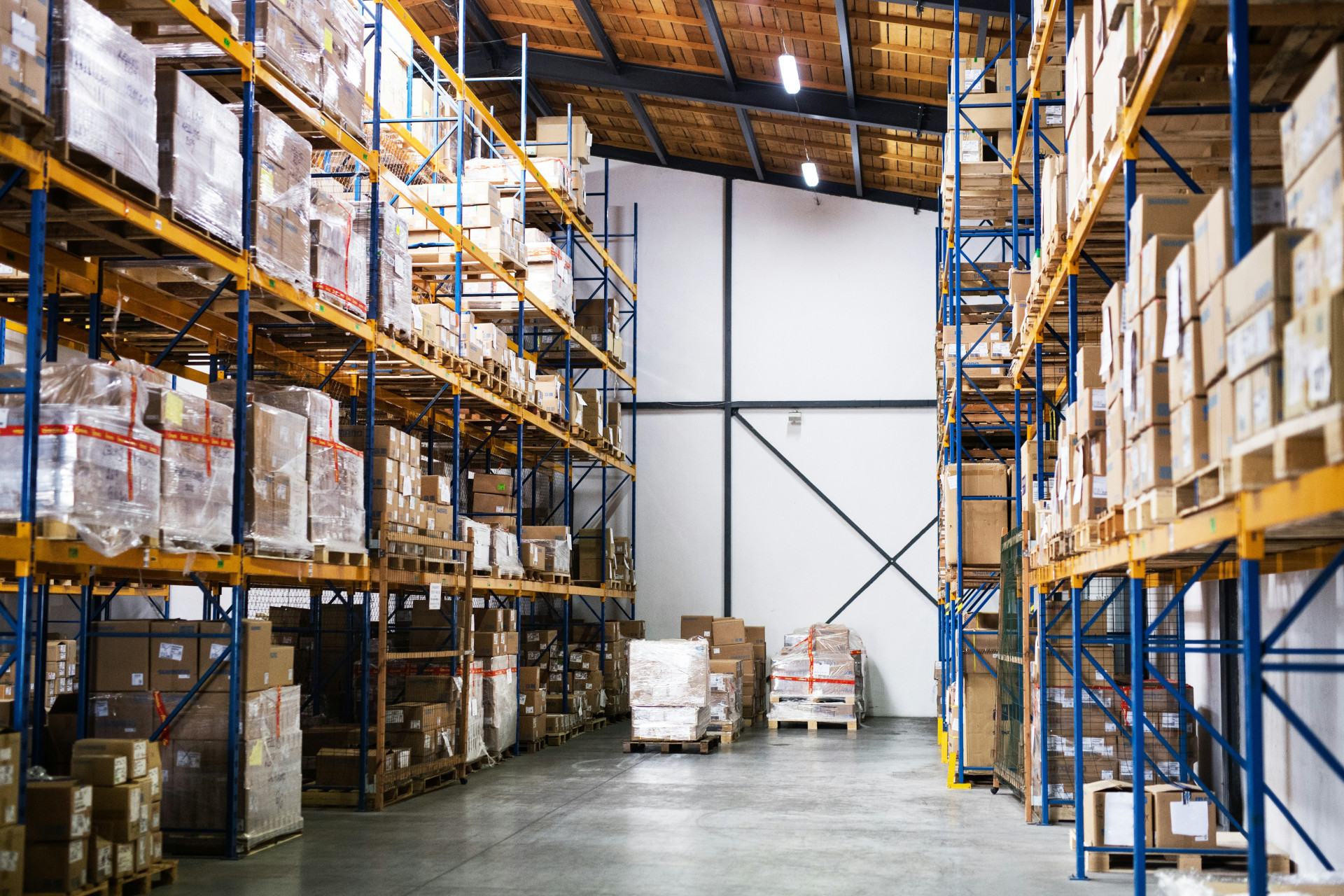
In an era where sustainability and resource efficiency are top priorities, inventory management plays a crucial role. A well-managed warehouse isn’t just about keeping shelves stocked—it’s about minimizing waste, reducing energy use, and building a more responsible supply chain. With the right strategies and technologies, businesses can strengthen their bottom line while contributing to a greener future.
Why Inventory Management Is Key to Sustainability
Warehouses are often overlooked when companies talk about sustainability. Yet inefficient inventory management can lead to significant waste—expired products, unnecessary transportation, and excess materials. By optimizing these processes, businesses can cut both waste and carbon emissions.
An efficient warehouse means products move faster, space is used more effectively, and energy consumption drops. That’s good news not only for the environment but also for profitability.
Data as the Driving Force Behind Waste Reduction
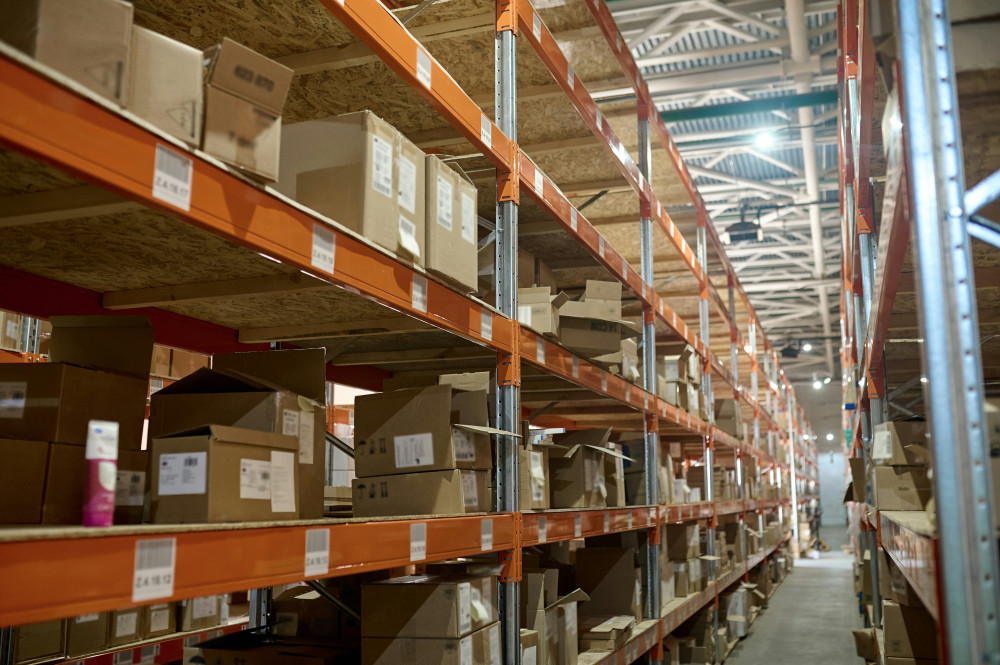
One of the most powerful tools for sustainable inventory management is data. Modern warehouse management systems (WMS) provide real-time visibility into stock levels, product movement, and reorder points.
By analyzing demand patterns and seasonal trends, companies can avoid overproduction and overstocking. This leads to fewer unsold goods and a more efficient use of resources.
For example, U.S. retailers increasingly use predictive analytics to forecast customer demand. This allows them to order just the right amount of inventory—no more, no less—reducing both waste and storage costs.
Smarter Logistics and Greener Transportation
Sustainable inventory management also extends to how goods move in and out of the warehouse. By planning transportation more efficiently, companies can reduce empty miles and consolidate shipments, ensuring trucks are fully utilized.
Many U.S. companies are investing in electric forklifts, automated guided vehicles, and route optimization software to cut fuel use and emissions. Partnering with local suppliers can further reduce transportation distances and the associated carbon footprint.
Læs også:

Space Optimization and Energy Savings
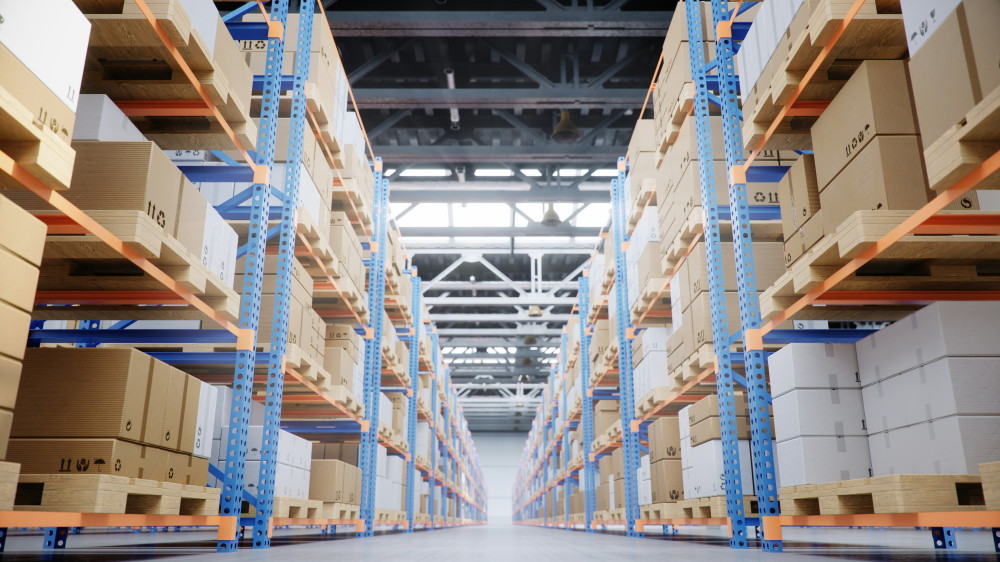
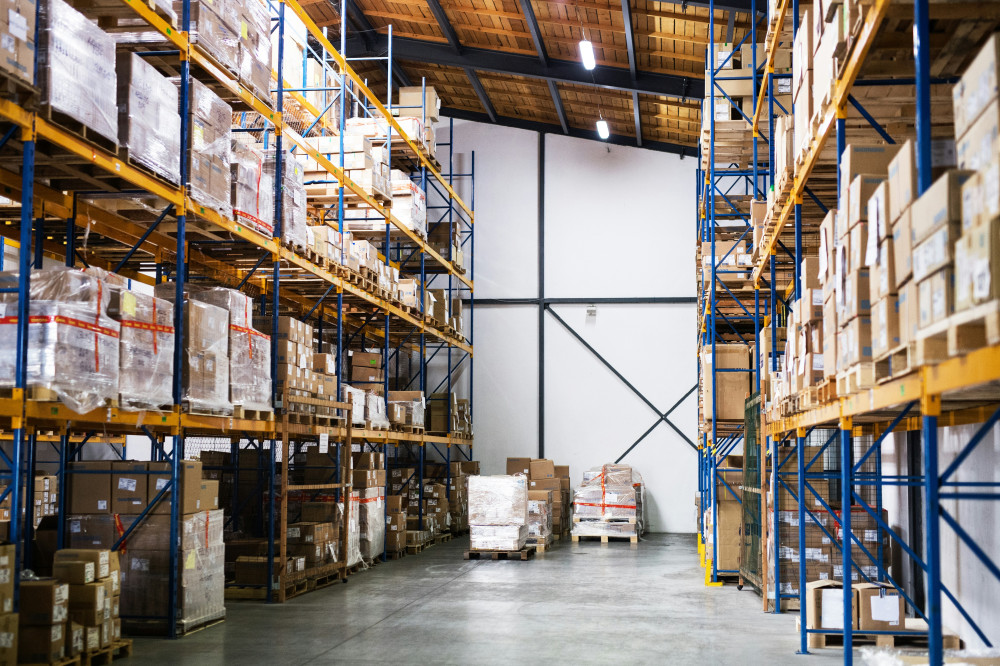
A sustainable warehouse is also a well-organized one. By maximizing vertical space, using flexible shelving systems, and creating zones for fast- and slow-moving items, businesses can reduce the need for additional storage facilities.
Energy consumption can be significantly lowered through LED lighting, motion sensors, and energy-efficient HVAC systems. Many companies find that investments in green technology pay for themselves quickly through reduced operating costs.
The Human Factor in Sustainable Operations
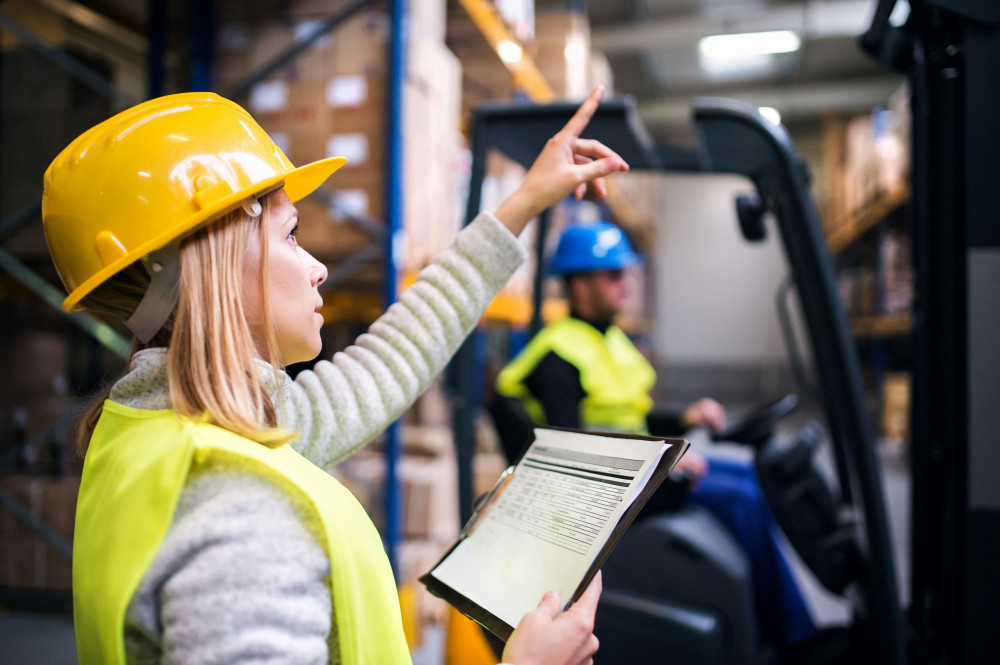
Technology can do a lot, but people make the difference. Building a sustainable warehouse culture requires employees to understand how their actions matter—from proper product handling to mindful energy use and waste sorting.
Engaging staff in developing new routines and encouraging them to suggest improvements fosters ownership and commitment. This involvement helps ensure that sustainability initiatives become a lasting part of daily operations.
The Future Warehouse: Circular and Digital
The warehouse of the future will be increasingly digital and circular. This means products and materials will be reused, repaired, or recycled rather than discarded.
The Internet of Things (IoT) and artificial intelligence (AI) will enable real-time inventory tracking, demand forecasting, and end-to-end supply chain optimization. These technologies not only reduce waste but also enhance efficiency and resilience.
An Investment in Both the Planet and the Business
Effective inventory management is more than a logistical concern—it’s a strategic investment in a company’s future. By integrating sustainability into every aspect of warehouse operations, businesses can build a more resilient, responsible, and competitive organization.
Less waste means lower costs, a stronger brand, and a clearer environmental profile. And in a marketplace where customers and partners increasingly value responsibility, that may be the most important investment of all.
Læs også: