Digitalization Is Changing Warehouse Design – How to Keep Up with the Evolution

Digitalization Is Changing Warehouse Design – How to Keep Up with the Evolution
In just a few years, digitalization has transformed how warehouses operate across the United States. What used to be dominated by manual processes and paperwork is now increasingly driven by data, sensors, and intelligent systems. Warehousing is no longer only about storing goods efficiently—it’s about creating a flexible, data-driven flow that can adapt to customer expectations and market speed.
Here’s an overview of how digitalization is reshaping warehouse design and how your business can stay ahead of the curve.
From Static Layouts to Dynamic Systems
Traditional warehouse design focused on maximizing space utilization. Today, it’s just as much about maximizing data. Digital tools such as Warehouse Management Systems (WMS) and Automated Storage and Retrieval Systems (AS/RS) make it possible to optimize placement, picking, and transport in real time.
Sensors and Internet of Things (IoT) devices track where products are located and how quickly they move through the system. This allows layouts to be continuously adjusted—for example, by moving fast-moving items closer to shipping areas or rerouting autonomous vehicles to avoid congestion.
A modern warehouse is no longer static; it’s a dynamic ecosystem that constantly adapts based on data.
Automation Saves Time—but Requires Careful Planning
Robots, autonomous forklifts, and automated sorting systems are becoming increasingly common in U.S. warehouses. They can operate around the clock, reduce errors, and free up employees for more complex tasks. But automation requires thoughtful design.
When planning a digital warehouse, you must consider both the technology’s requirements and your workforce’s workflows. Robotic systems need precise pathways, stable flooring, and access to power and network connections. At the same time, there must be space for manual handling, maintenance, and safety zones.
The best results come when technology and people are integrated—not as replacements for one another, but as partners in an efficient whole.
Data as the Engine of Decision-Making
A digital warehouse generates massive amounts of data—from inventory movements to energy consumption. By analyzing this data, you can identify patterns, predict demand, and optimize processes.
For instance, data can reveal which products are often picked together, allowing you to store them side by side. It can also highlight bottlenecks in your layout so you can make targeted improvements.
Many U.S. companies are now using artificial intelligence to forecast demand, plan staffing, and schedule transportation. This makes warehouses more agile and reduces waste and downtime.
Sustainability and Energy Optimization
Digitalization isn’t just about efficiency—it’s also about sustainability. Smart sensors and control systems can monitor energy use, temperature, and lighting to ensure resources are used wisely.
An intelligent warehouse might automatically dim lights in unused zones, adjust ventilation based on activity levels, or schedule electric vehicle charging when energy rates are lowest.
By combining digital control with green technology, companies can cut costs and carbon emissions without sacrificing productivity—a growing priority as more U.S. businesses commit to sustainability goals.
Læs også:
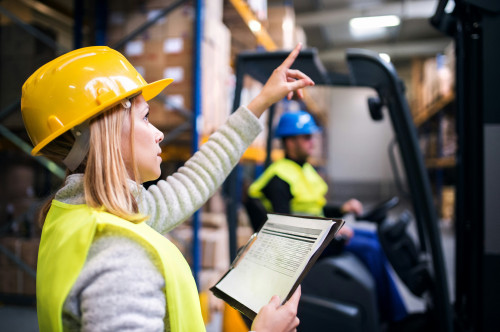

Skills and Culture Must Evolve Too
Technology only creates value when people know how to use it. That’s why workforce development is a crucial part of digital transformation.
Employees need to understand how data is used and how systems function in practice. This requires training, but also a culture that views change as an opportunity rather than a threat.
Many organizations find that digitalization strengthens collaboration between warehouse, procurement, and sales teams—because everyone works from the same data and objectives.
How to Keep Up with the Evolution
Digitalization isn’t a one-time project—it’s an ongoing process. To keep pace with the evolution, you can:
- Map your current processes and identify where digitalization can create the most value.
- Start small, for example with a digital picking system or IoT sensors for inventory tracking.
- Engage your employees early, so they understand the purpose and contribute practical insights.
- Partner with technology providers who can help integrate systems and data.
- Evaluate continuously, adjusting and expanding as your experience grows.
Digitalization is changing not only how warehouses look, but how we think about logistics as a whole. The companies that successfully combine technology, data, and human insight will be the ones best positioned to thrive in the future of supply chain management.
Læs også: