Interdisciplinary Innovation: When IT, Engineering, and Construction Shape the Solutions of the Future


Interdisciplinary Innovation: When IT, Engineering, and Construction Shape the Solutions of the Future
The U.S. construction industry is undergoing a profound transformation. Digital tools, advanced materials, and growing demands for sustainability are reshaping how we design, build, and maintain our infrastructure. The future of construction no longer belongs to isolated disciplines—it emerges where IT, engineering, and construction intersect, creating integrated solutions that are smarter, greener, and more resilient.
When Data Becomes the Foundation of Construction
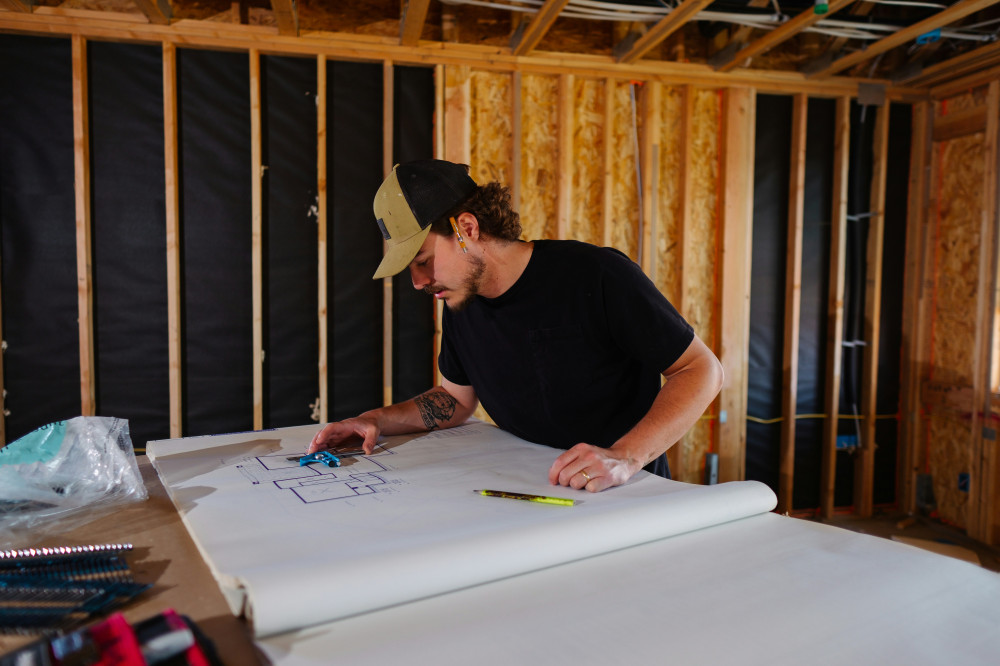
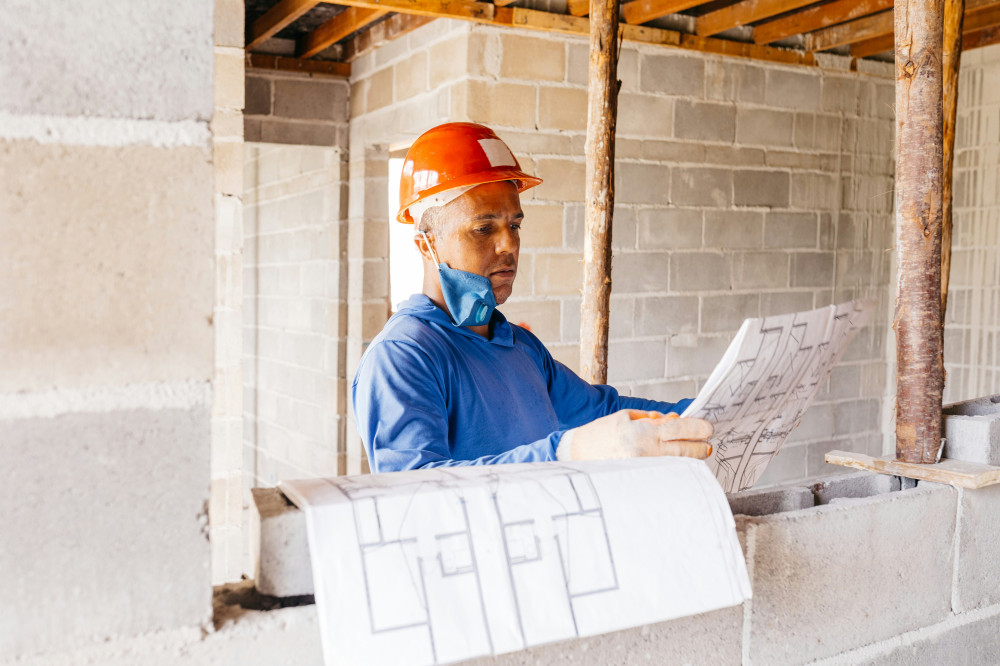
Digitalization has become a cornerstone of modern construction. What once relied on paper blueprints is now driven by Building Information Modeling (BIM)—a digital process that integrates every detail of a project, from structural design and materials to energy performance and maintenance.
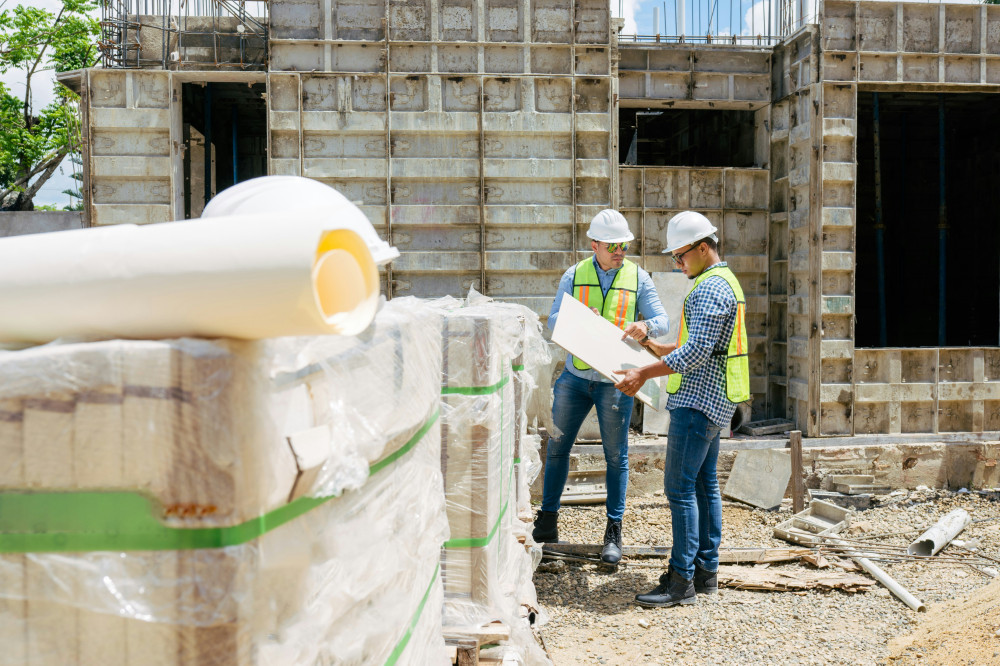
BIM allows architects, engineers, and contractors to collaborate in real time, identifying potential issues before they become costly on-site problems. Owners and facility managers can use digital twins to monitor performance and optimize operations long after a building is completed.
In this way, data is no longer just a planning tool—it becomes a living asset that supports decision-making throughout the entire lifecycle of a building.
Engineering at the Heart of Sustainability
Engineers play a pivotal role in turning sustainability goals into tangible results. From energy-efficient systems to circular construction methods, their expertise ensures that innovation is both practical and durable.
One growing trend is the use of modular and prefabricated systems, which allow components to be reused or replaced with minimal waste. This approach demands precise engineering, rigorous testing, and a deep understanding of how materials behave over time.
Engineers are also collaborating with IT specialists to develop sensor networks that track everything from humidity and temperature to energy consumption. These real-time insights enable buildings to self-adjust for optimal performance, reducing carbon footprints and operational costs.
IT as the Bridge Between Vision and Reality
Information technology is no longer a supporting function—it’s a driving force behind construction innovation. Artificial intelligence (AI), machine learning, and the Internet of Things (IoT) are transforming how projects are planned, executed, and maintained.
AI algorithms can analyze data from thousands of past projects to identify patterns in scheduling, material use, and risk factors. This predictive capability helps project managers make smarter decisions, saving both time and resources.
Meanwhile, cloud-based collaboration platforms allow teams across states—or even continents—to work seamlessly on shared models. Augmented reality (AR) and virtual reality (VR) tools are helping clients and builders visualize projects before a single foundation is poured, improving communication and reducing costly misunderstandings.
Collaboration as the Engine of Innovation
Interdisciplinary innovation is as much about people as it is about technology. When IT professionals, engineers, and construction experts collaborate, they bring together diverse perspectives that spark new ideas and solutions none could achieve alone.
A prime example is the rise of smart buildings, where sensors, software, and structural design converge. Creating these environments requires an understanding of user behavior, digital infrastructure, and building physics—all working in harmony to deliver comfort, efficiency, and adaptability.
This kind of collaboration challenges traditional roles but also fosters a culture where innovation becomes part of everyday practice.
Læs også:


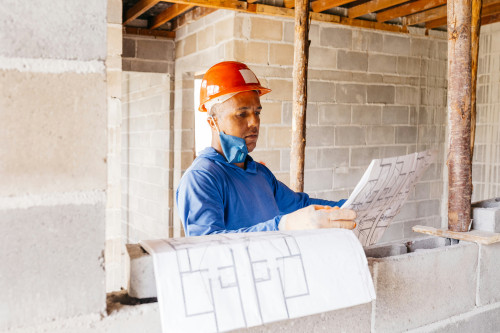
The Future of Building: Digital, Sustainable, and Human-Centered
The future of construction in the United States is being built at the crossroads of technology, sustainability, and human experience. It’s a future where buildings are not just structures but intelligent systems that respond to the needs of their occupants and the planet.
Companies that successfully bridge IT, engineering, and construction will lead this transformation. Because in the end, innovation in building isn’t just about constructing smarter—it’s about creating spaces that make life better for everyone who inhabits them.
Læs også: