Documentation During Construction Ensures Better Results

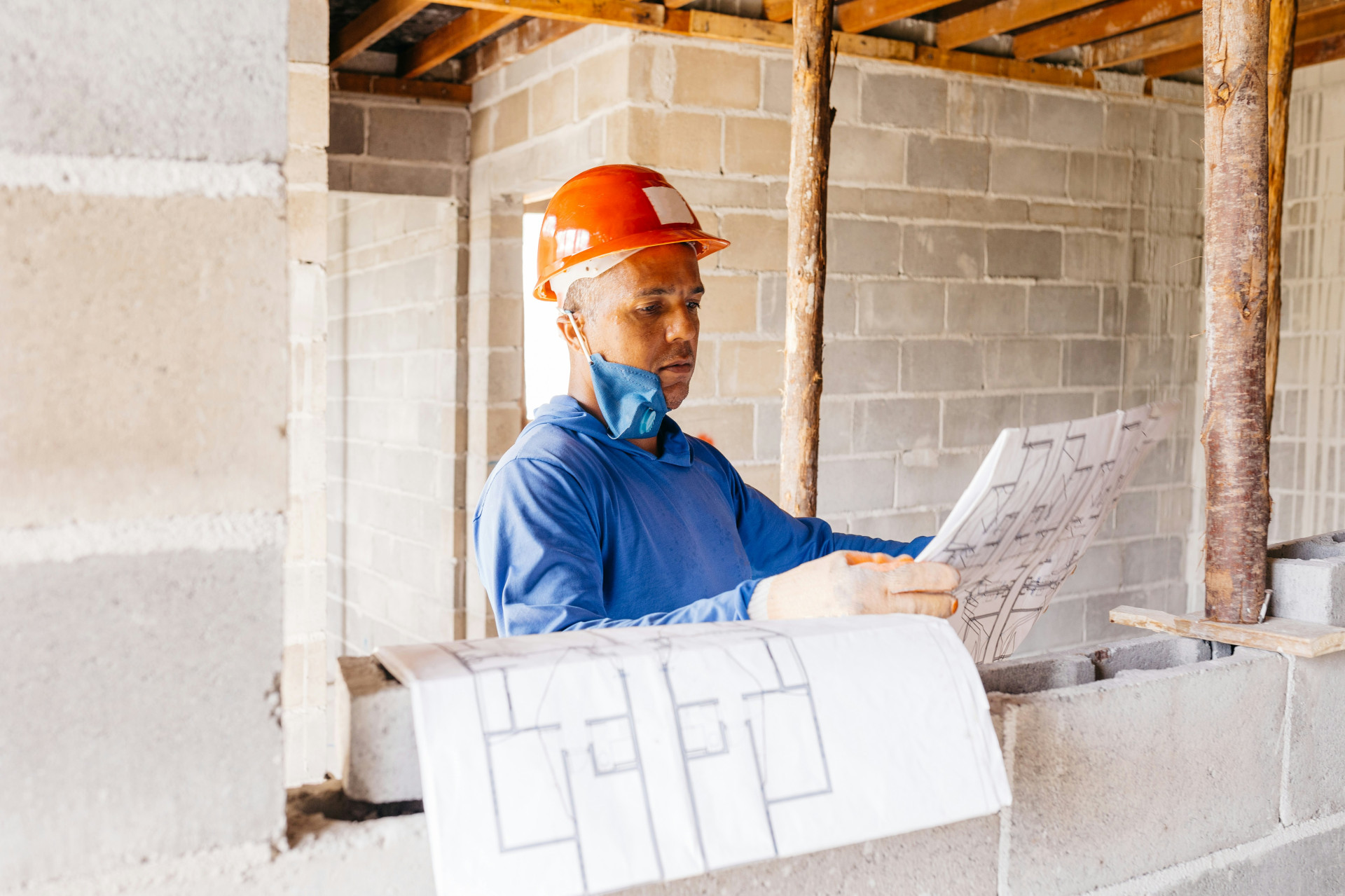
Documentation During Construction Ensures Better Results
In the U.S. construction industry, documentation is often treated as something to be completed at the end of a project—an administrative step before handover. But experience shows that consistent documentation throughout the construction process not only simplifies project closeout; it also improves quality, reduces errors, and builds trust among all stakeholders. When documentation becomes an integrated part of daily work, it transforms from a compliance task into a tool for learning, management, and collaboration.
From Compliance to Quality Assurance
Traditionally, documentation has been associated with regulatory requirements, inspections, and client demands. However, as projects grow more complex and involve multiple subcontractors, suppliers, and consultants, documentation is increasingly being used as a proactive quality assurance tool.
When contractors, tradespeople, and project managers document progress continuously—through photos, field reports, and digital records—it becomes easier to identify issues early and correct them before they escalate into costly rework. This approach also creates transparency, allowing everyone involved to see what has been done, when, and by whom.
Digital Tools Make It Easier
In recent years, digital platforms and mobile apps have made on-site documentation far more efficient. Instead of collecting binders full of paper reports and printed photos, teams can now record everything directly from the job site using smartphones or tablets.
Tools such as construction management software, digital daily logs, and Building Information Modeling (BIM) systems allow all project data to be stored in one place. This means that owners, architects, and contractors can access the same information in real time—making it easier to track progress, verify compliance, and respond quickly to deviations from the plan.
For many U.S. construction firms, this shift has turned documentation from a burden into a natural part of the workflow, improving both accountability and productivity.
Better Collaboration and Fewer Disputes
One of the greatest benefits of ongoing documentation is improved collaboration. Clear, consistent records of what has been agreed upon and executed make it easier to resolve disagreements and prevent misunderstandings.
If questions arise later about how a task was performed, teams can quickly refer to photos, measurements, or inspection reports that show exactly what was done. This transparency builds confidence among owners, general contractors, and subcontractors alike—and significantly reduces the risk of disputes, delays, and claims.
Documentation as a Learning Tool
Documentation isn’t just about proving compliance or completion. It’s also a valuable source of knowledge. By systematically collecting and analyzing data from past projects, companies can identify patterns, refine processes, and avoid repeating mistakes.
Many U.S. contractors now use their documentation archives to evaluate performance and improve future projects. This might include analyzing which materials performed best, how schedules can be optimized, or how safety procedures can be strengthened. In this way, documentation becomes a foundation for continuous improvement.
An Investment That Pays Off
Although consistent documentation requires time and discipline, it’s an investment that pays off. Projects with strong documentation practices tend to have fewer warranty claims, lower rework costs, and smoother closeouts. Owners also report greater confidence in contractors who maintain thorough records, which can lead to stronger relationships and repeat business.
Læs også:

The Future of Construction Demands Transparency
As the U.S. construction industry moves toward greater digitalization, sustainability, and accountability, documentation will play an increasingly central role. It’s not just about meeting contractual or regulatory requirements—it’s about ensuring transparency, quality, and long-term value across the entire project lifecycle.
When documentation is planned from the start and maintained throughout construction, it becomes an asset rather than an afterthought. That’s the key to better results, more efficient processes, and buildings that truly deliver on their promises.
Læs også: