Software and Society: How Technology Is Changing the Way We Collaborate

Software and Society: How Technology Is Changing the Way We Collaborate
Collaboration has always been at the heart of human progress—from the workshops of early artisans to the boardrooms of modern corporations. But in recent decades, software and digital tools have transformed not just how we work together, but what collaboration itself means. Technology has made teamwork faster, more flexible, and more global—but also more complex and, at times, more demanding.
From Office Spaces to Digital Workplaces
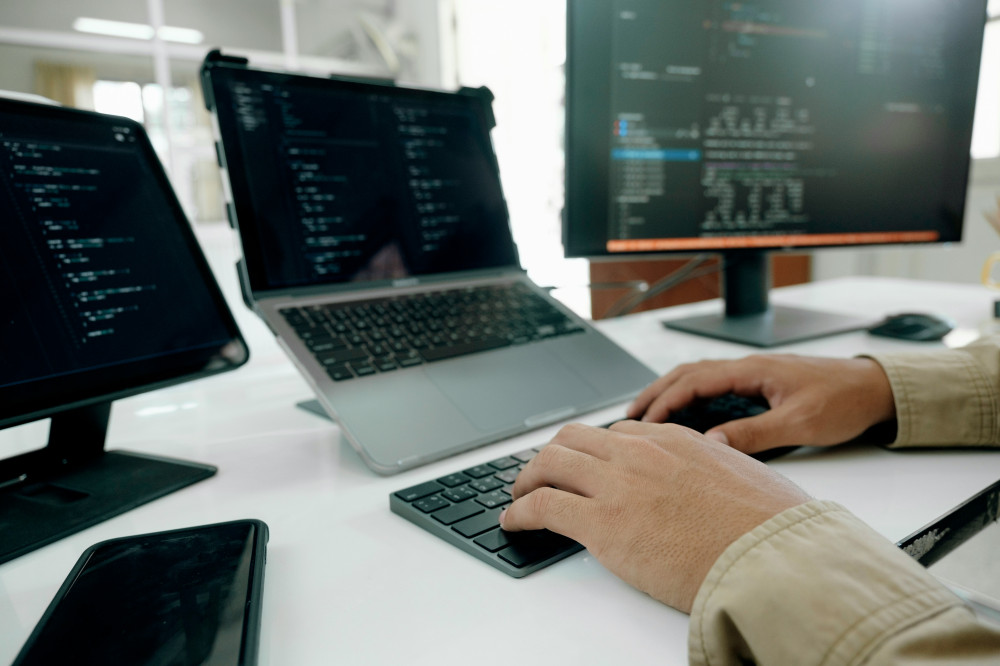
Not long ago, collaboration meant gathering in conference rooms, passing around printed reports, and brainstorming on whiteboards. Today, our primary workspace is digital. Platforms like Slack, Microsoft Teams, and Google Workspace allow teams to share documents, ideas, and decisions in real time—no matter where they are.
This shift accelerated dramatically during the COVID-19 pandemic, when remote and hybrid work became the norm. Many U.S. companies have since discovered that digital collaboration isn’t just a temporary fix—it’s a new way of organizing work. It offers flexibility, reduces commuting time, and opens access to talent across the country and around the world.
New Forms of Connection and Communication
When collaboration moves online, the way we communicate changes too. Conversations become more text-based, and the casual chats that once happened by the coffee machine are harder to replicate. Yet new forms of connection have emerged—emojis, GIFs, and quick messages can create a sense of closeness even across distances.
Digital tools also make it easier to include more voices in decision-making. Shared documents can be edited simultaneously, and open channels allow anyone to contribute ideas. This can foster innovation and transparency, but it also requires clear norms for communication and decision-making to prevent confusion or overload.
Læs også:



Working Across Borders and Time Zones
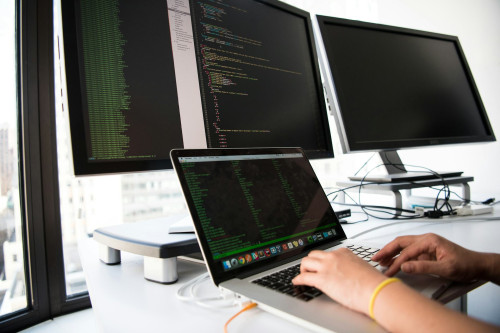
Technology has made it possible for teams to collaborate across states, countries, and time zones like never before. A project team might include members from New York, Austin, and Manila, all contributing through the same digital platforms.
This diversity of perspectives can be a major strength, but it also demands cultural awareness and coordination. Differences in communication styles, work hours, and expectations can lead to misunderstandings if not managed thoughtfully. In this sense, software isn’t just a tool—it’s the framework that shapes how collaboration happens.
Artificial Intelligence as a New Teammate
With the rise of artificial intelligence (AI), collaboration is no longer limited to humans. AI assistants can now draft emails, analyze data, and suggest solutions that humans refine and implement. This changes the division of labor and raises new questions: Who is responsible for decisions when algorithms contribute? And how do we ensure that technology is used ethically and transparently?
Many workers find that AI frees them to focus on creative and strategic tasks. Others worry that automation could erode the human side of teamwork. Striking the right balance between efficiency and empathy will be one of the defining challenges of the digital workplace.
The Challenges of Always Being Connected
While software has made collaboration easier, it has also introduced new pressures. The constant flow of messages, notifications, and virtual meetings can lead to digital fatigue and burnout. When work is always accessible, it becomes harder to disconnect and maintain boundaries between professional and personal life.
In response, some organizations are setting clearer expectations about online availability or encouraging “digital detox” periods. Technology should support collaboration—not consume it.
The Future of Collaboration: Balancing People and Technology
The future of collaboration isn’t just about adopting the latest tools—it’s about building a culture where technology and humanity complement each other. Software can connect us, but trust, empathy, and shared purpose are what make collaboration truly work.
When we learn to use technology intentionally—as a means to strengthen relationships rather than replace them—we can create a society where collaboration becomes not only more efficient, but also more meaningful.
Læs også: