Design Without Borders: Flexible Design Concepts for International Business Events


Design Without Borders: Flexible Design Concepts for International Business Events
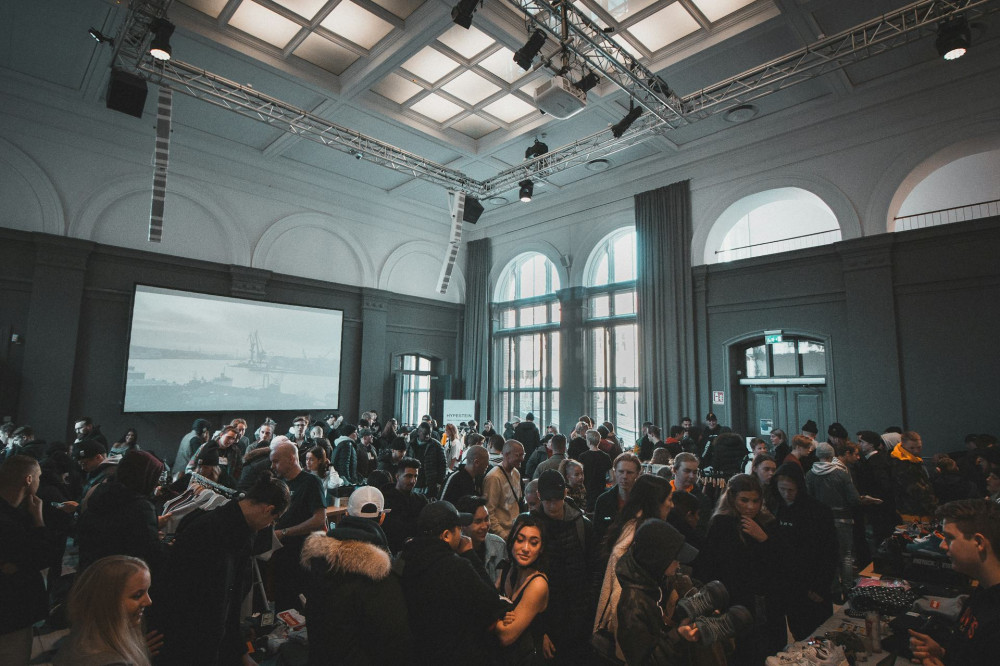
When companies gather across borders, it’s about more than business—it’s about creating experiences that connect people, cultures, and ideas. International business events demand design that is functional, aesthetic, and flexible enough to adapt to different markets and audiences. This article explores how flexible design concepts can make a difference when events need to succeed on a global stage.
Design as a Universal Language
Good design transcends language and cultural barriers. Colors, shapes, light, and materials speak directly to the senses and can create a shared experience, no matter where participants come from. That’s why it’s essential to think in visual expressions that are both universal and open to local adaptation.
A practical example is the use of modular booth systems and digital elements that can be adjusted as needed. This allows a brand to maintain its visual identity while tailoring its expression to local traditions and expectations.
Flexibility as the Key to Success
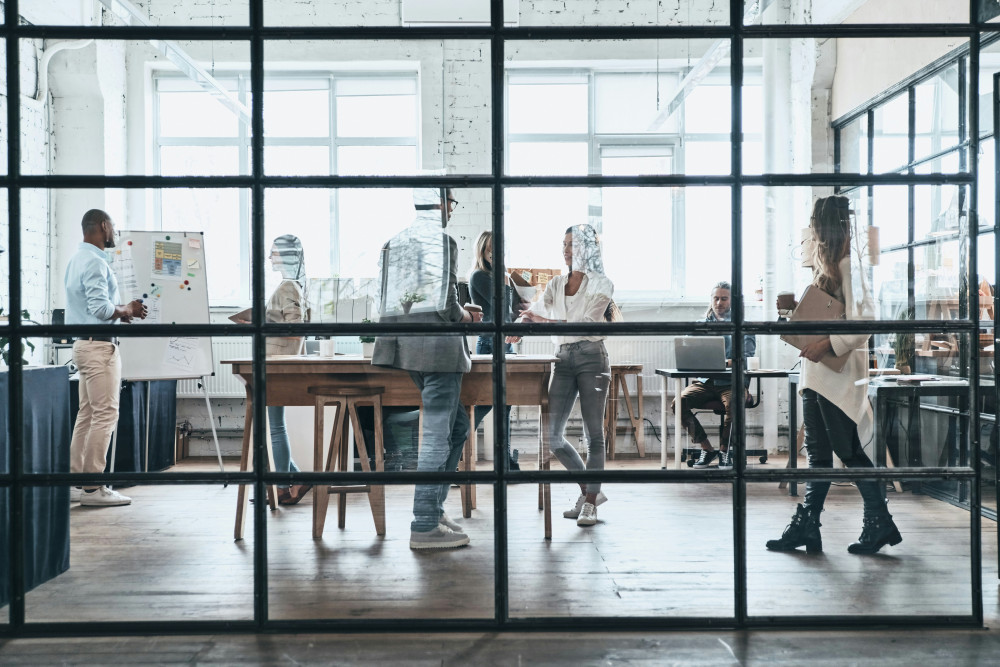
Flexibility isn’t just a logistical concern—it’s a design strategy. When an event concept needs to move from Chicago to Tokyo or Berlin, it requires solutions that can scale and adapt without losing coherence.
- Modular structures make it possible to change the size and shape of booths, stages, and meeting areas.
- Digital surfaces can be updated within minutes, ensuring that messages and languages fit the local audience.
- Sustainable materials such as recycled aluminum and fabric prints can be reused again and again—an advantage both economically and environmentally.
By integrating flexibility from the start, companies can save resources while creating a more dynamic and engaging visual identity.
Cultural Awareness in the Design Process
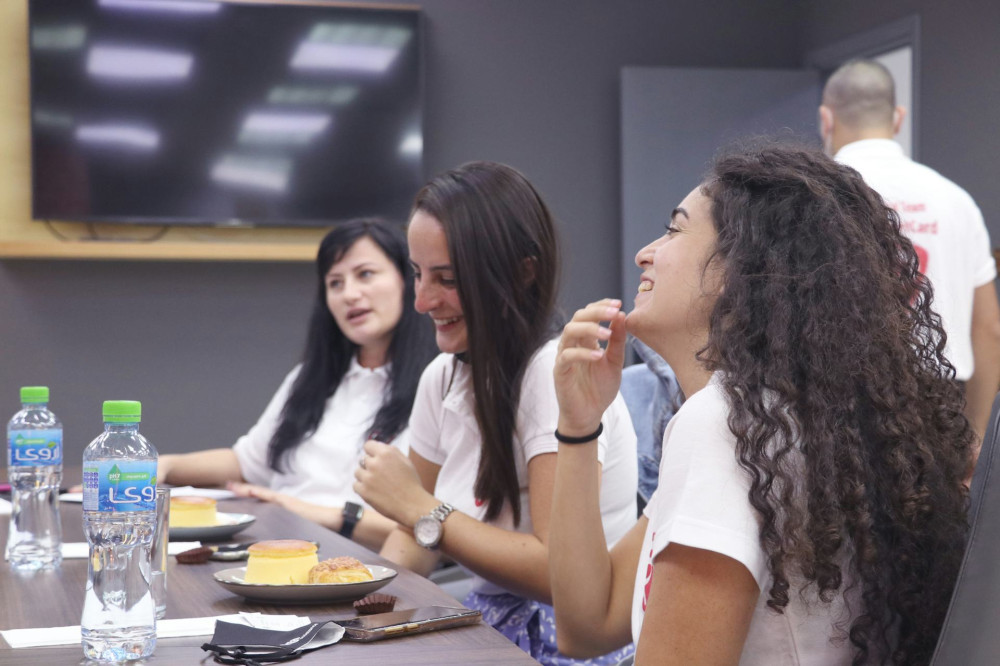
An international event is also a meeting of cultures. This means design must account for differences in aesthetics, symbolism, and behavior. Colors that signal energy in one country may carry a completely different meaning in another. Designers should therefore collaborate closely with local partners who understand cultural nuances.
A strong approach is to develop a design framework—a set of guidelines that define the brand’s core elements while allowing room for local interpretation. This ensures that a global brand remains recognizable without feeling out of place in local contexts.
Technology as a Design Partner
Digital solutions play an increasingly important role in modern event design. Interactive screens, augmented reality, and virtual meeting spaces can boost engagement and make experiences more personal. At the same time, technology enables data collection on participant behavior, helping organizers improve future events.
However, technology should be used thoughtfully. The best design emerges when digital tools enhance human interaction rather than replace it. A well-balanced combination of physical and digital design can create experiences that are both efficient and memorable.
Læs også:

Sustainability as a Shared Global Goal
No matter where an event takes place, sustainability has become a central theme. Flexible design concepts make it easier to reuse elements, reduce transportation, and minimize waste. This sends a strong message of responsibility—something valued by participants and partners alike.
By choosing materials with a low environmental impact and embracing circular design principles, companies can not only reduce their carbon footprint but also strengthen their global brand reputation.
Design Without Borders—But With Purpose
Designing for international business events is ultimately about creating environments that connect people across languages, time zones, and cultures. Flexibility, cultural understanding, and sustainability are not just practical considerations—they are the foundation of design that inspires and engages on a global scale.
When design functions as a shared language, an event becomes more than just a gathering. It becomes an experience without borders.
Læs også: