Design a Flexible Home Office That Adapts to Your Work Tasks

Design a Flexible Home Office That Adapts to Your Work Tasks
A home office is no longer just a desk in the corner of the living room. For many Americans, it has become a permanent workspace where focus, creativity, and comfort need to coexist. But how do you design a home office that can adapt to different kinds of work — from video calls and deep-focus tasks to brainstorming sessions and breaks? Here’s how to create a flexible home office that works for your daily routine.
Think in Zones, Not Just Furniture
A flexible home office is about being able to shift between work modes. Instead of one fixed setup, divide your space into zones:
- Focus Zone – a quiet area with good lighting and an ergonomic chair for concentrated work.
- Meeting Zone – a spot with a neutral background and solid acoustics for video calls.
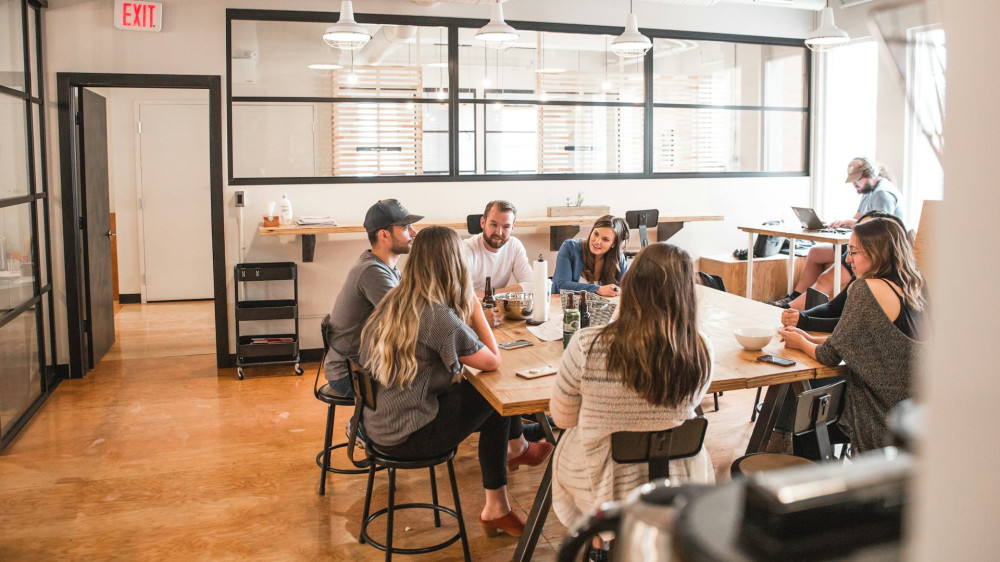
- Creative Zone – a space where you can stand, use a whiteboard, or spread out materials for brainstorming.
Even in small apartments, you can define zones with rugs, lighting, or room dividers that visually separate different functions.
Choose Adjustable Furniture
Flexibility starts with furniture that adapts to you. A height-adjustable desk lets you alternate between sitting and standing, while an ergonomic chair with adjustable height and lumbar support helps prevent back and neck strain.
Consider mobile or modular pieces: a rolling side table, a foldable workstation, or stackable storage. These allow you to reconfigure your space quickly when your tasks change — perfect if you share your home office with a partner or family member.
Create an Environment That Supports Focus
A productive home office isn’t just about furniture — it’s about atmosphere. Light, sound, and air quality all affect how well you work.
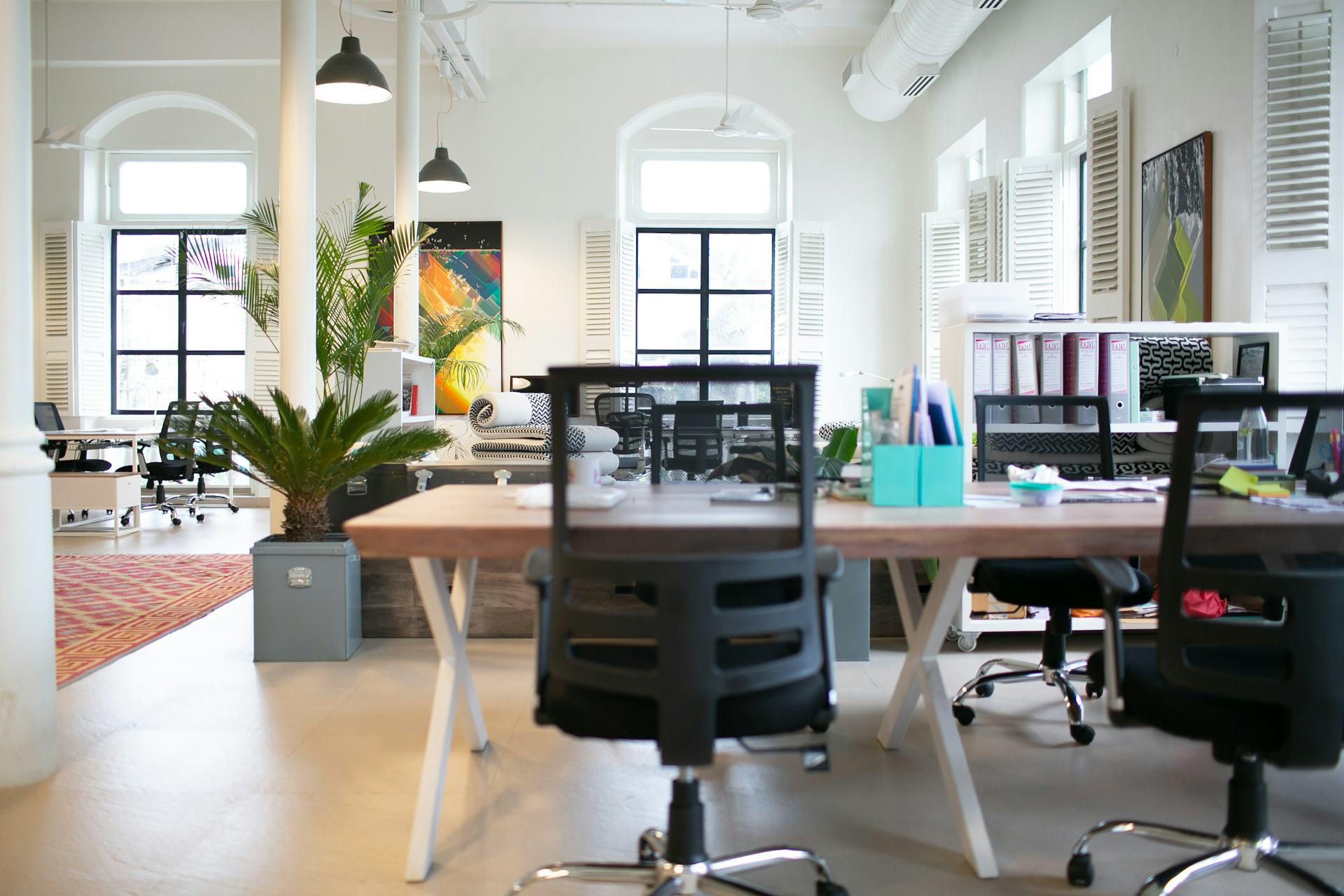
- Lighting: Combine natural daylight with adjustable task lighting. Avoid glare behind your screen.
- Sound: Use rugs, curtains, or acoustic panels to reduce echo. Noise-canceling headphones can also help.
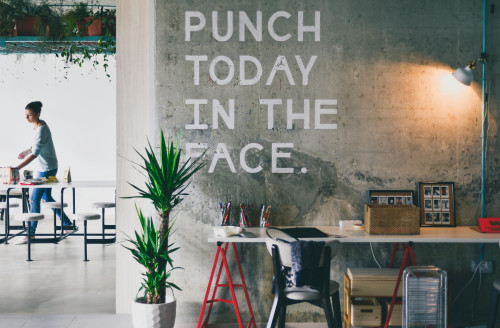
- Air: Keep the air fresh and add a few houseplants — they improve both air quality and mood.
A calm, comfortable environment makes it easier to stay focused, especially when working from home for long stretches.
Læs også:

Make Technology Work for You
A flexible workspace depends on reliable technology. Ensure you have strong Wi-Fi, a quality monitor, and a good headset with a microphone to avoid frustration during meetings.
Go wireless where possible — it keeps your space tidy and easy to rearrange. A docking station can also be a game-changer, letting you connect your laptop to your monitor, keyboard, and power with a single plug when you switch work zones.
Add Personality — but Keep It Simple
Your home office should be a place you enjoy spending time in. Personal touches like artwork, photos, or favorite books can make the space inspiring. Just be careful not to overcrowd your desk — clutter can distract you.
Choose colors and materials that match your work style. Some people thrive in bright, minimalist spaces, while others draw energy from bold colors and textures. The key is to make the space feel authentically yours.
Make Room for Breaks and Movement
When you work from home, it’s easy to blur the line between work and rest. Designate a small area for breaks — maybe a reading chair, a balcony corner, or a spot by the window.
Movement is just as important. Stand up, stretch, or take a short walk between tasks. A flexible office isn’t only about furniture — it’s about creating a rhythm that keeps your body and mind balanced throughout the day.
A Workspace That Evolves With You
Your home office shouldn’t be static. Your needs will change over time — new projects, new tools, or a new schedule. Make it a habit to reassess your setup a few times a year.
Small updates — a new lamp, a rearranged shelf, or an extra plant — can make a big difference. The goal is to keep your workspace aligned with how you work best, whether you’re collaborating online, tackling solo projects, or juggling multiple roles from home.
Læs også: